Table of contents
Key points
- Landlords have a legal duty to assess and control the risk of exposure to Legionella in their rental properties.
- There is no legal requirement for a “Legionella certificate” or routine water testing in most homes.
- For a typical house or flat, the risk assessment can be simple, and a competent landlord can carry it out themselves.
- Larger properties, HMOs and buildings with stored water tanks usually benefit from a professional assessment.
- Keep a written record and review it whenever something changes.
Legionella is one of the least understood parts of landlord compliance. Some landlords are told they must pay for expensive testing every year, while others have never heard of it. The truth sits in the middle: there is a clear legal duty, but for most homes it can be met with a simple assessment and a few sensible precautions.
This guide explains exactly what the law requires, how to carry out a legionella risk assessment, and when it is worth bringing in a professional.
What is Legionella and Legionnaires’ disease?
Legionella bacteria are found naturally in water. In the right conditions they can multiply in man-made water systems, such as hot and cold water pipes, tanks and showers.
People can catch Legionnaires’ disease, a potentially fatal form of pneumonia, by breathing in tiny droplets of contaminated water, for example from a shower. It is not spread from person to person, and drinking contaminated water does not usually cause it.
When does Legionella become a risk?
- Water is held between 20°C and 45°C, the temperature range where bacteria grow fastest
- Water is stored or stagnant, for example in tanks, unused pipes or empty properties
- There is scale, rust, sludge or biofilm in the system, which bacteria can feed on
- Water is turned into droplets, mainly by showers and spray taps
- Occupants are more vulnerable, such as older people, smokers and people with weakened immune systems
Is a legionella risk assessment mandatory for landlords?
Yes, landlords must assess the risk. Under the Health and Safety at Work etc. Act 1974 and the Control of Substances Hazardous to Health Regulations 2002 (COSHH), anyone who lets a property has a duty to make sure tenants are not exposed to health risks, including Legionella. The Health and Safety Executive’s guidance, the Approved Code of Practice L8 and HSG274, explains how to meet that duty.
Can landlords do their own legionella risk assessment?
Yes. For most simple homes, a landlord who understands the risks can carry out the assessment themselves. The HSE says the assessment does not need to be complicated or expensive. However, if you are not confident, or the property has a more complex water system, you should use a competent professional.
What does a legionella risk assessment cover?
A legionella risk assessment looks at the whole water system and asks four questions:
- Where could bacteria grow? For example, hot water cylinders, cold water tanks, unused pipes (“dead legs”) and showers.
- Who could be exposed? The tenants, and whether any are more vulnerable.
- How likely is exposure? Based on water temperatures, how often outlets are used and the condition of the system.
- What controls are needed? Practical steps to keep the risk low, and who is responsible for them.
The result should be a short written record of what you found, the controls in place and any actions needed.
Need a legionella risk assessment in London?
Professional legionella risk assessments from £200 for rental homes, HMOs and blocks, with a clear written report.
Legionella risk assessment checklist for landlords
Use this checklist as a starting point for a simple residential property. Record your answers, the date and any actions taken.
| Check | What to look for |
|---|---|
| Type of water system | Combi boiler (low risk), or stored hot water cylinder and cold water tank (higher risk) |
| Hot water temperature | Stored hot water should be at least 60°C, and hot water at taps should reach at least 50°C within about a minute |
| Cold water temperature | Cold water should be below 20°C after running for about two minutes |
| Cold water storage tank | Tank has a close-fitting lid, is insulated and is free from debris, rust and insects |
| Dead legs and unused pipework | Pipes that no longer serve an outlet should be removed or capped as close to the main pipe as possible |
| Little-used outlets | Spare bathrooms and outside taps should be flushed regularly |
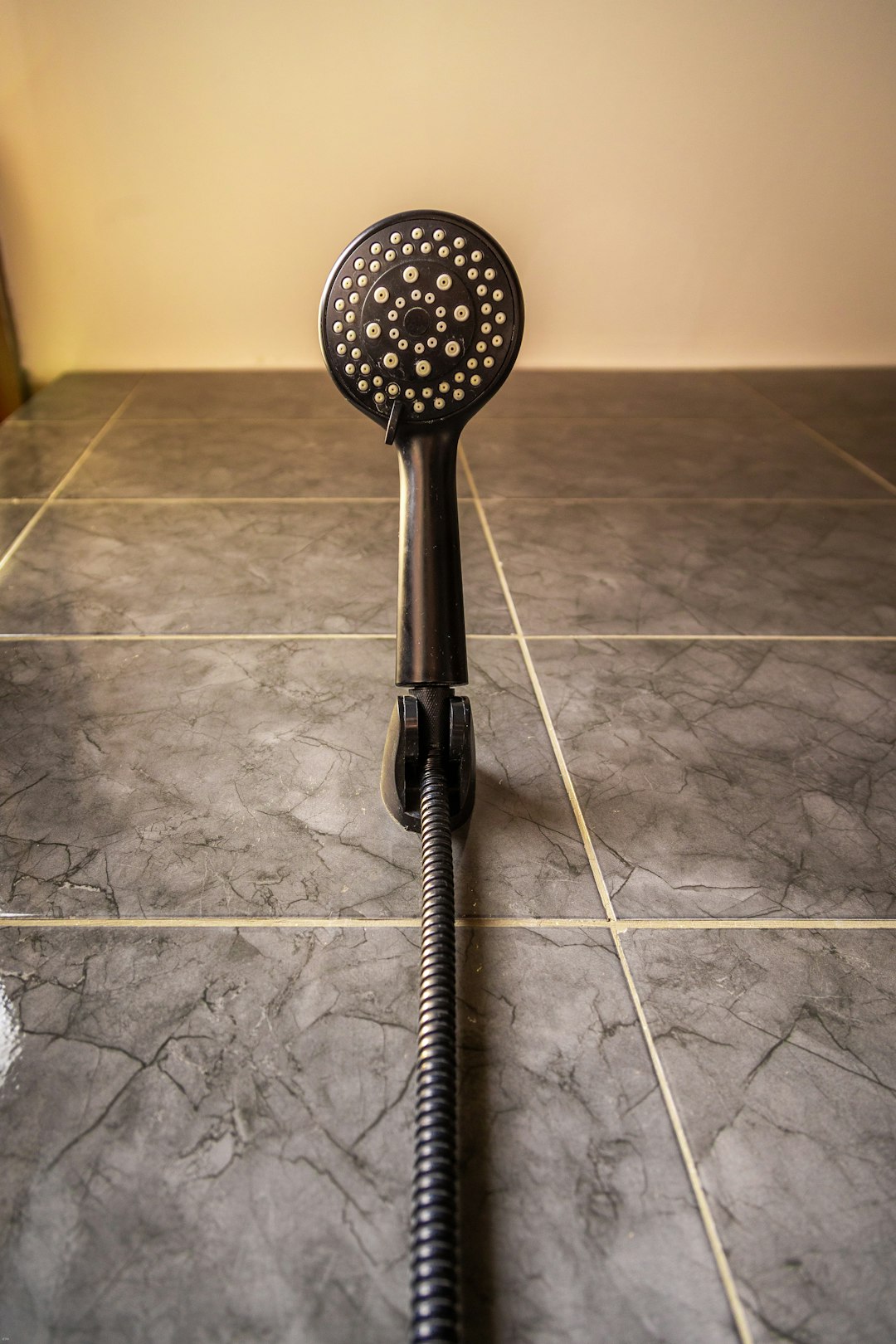
| Showers | Shower heads and hoses are clean and free from scale |
| Empty periods | Plan to flush the system if the property is empty for a week or more |
| Vulnerable occupants | Note any tenants who may be at higher risk |
| Tenant information | Tenants have been told how to reduce the risk and to report problems |
If all the answers are positive and the property has a combi boiler with no stored water, the risk is usually low and simple controls are enough.
How to record your assessment
Write down the date, the property address, who carried out the assessment, the type of water system, the temperatures you measured and the controls you have put in place. Note any actions, such as removing a dead leg or replacing a tank lid, and the date each one was completed. Keep the record with your other compliance documents and share a copy with your letting agent if they manage the property. A dated record like this is exactly what an inspector would expect to see.
Simple control measures for rental properties
- Keep hot water hot: set hot water cylinders to store water at 60°C.
- Keep cold water cold: insulate cold water pipes and tanks, especially near heat sources.
- Avoid stagnant water: remove dead legs and flush little-used outlets.
- Keep tanks covered and clean: cold water tanks should have a secure lid and be checked for debris.
- Clean showers: descale and disinfect shower heads regularly, or ask tenants to.
- Flush after void periods: run all taps and showers for several minutes before a new tenant moves in.
What to tell your tenants
Tenants play an important part in controlling Legionella. Give them simple written advice to:
- Run taps and showers that are not used often, especially after holidays
- Keep shower heads clean and free from limescale
- Not adjust the hot water cylinder temperature below the recommended setting
- Tell you straight away if the hot water is not heating properly or the cold water runs warm
When should landlords use a professional?
A professional legionella risk assessment is a good idea when:
- The property has a cold water storage tank or a large hot water cylinder
- It is an HMO or a block of flats with shared water systems
- There are vulnerable tenants, such as elderly residents
- The property has been empty for a long time or the system has been altered
- Your letting agent, insurer or licensing scheme asks for a professional report
- You are simply not confident assessing the system yourself
A professional assessor will inspect the system, take temperature readings, check tanks and pipework, and give you a written report with clear actions. This gives you strong evidence that you have met your legal duty.
How often should a legionella risk assessment be reviewed?
The HSE does not set a fixed date for reviewing a legionella risk assessment. Instead, you should review it whenever there is reason to think it may no longer be valid, such as:
- Changes to the water system, such as a new boiler or tank
- A change of tenant, especially if new tenants are more vulnerable
- The property being empty for an extended period
- A case of Legionnaires’ disease linked to the property
Many landlords and letting agents choose to review the assessment every one to two years as good practice, and at each change of tenancy.
Legionella in HMOs and blocks of flats
HMOs and blocks often have larger, more complex water systems with storage tanks and longer pipe runs, and more people using the same supply. That means a higher risk, and more need for regular checks. In these buildings, landlords and managing agents typically:
- Use a professional risk assessment and keep a written scheme of control
- Check water temperatures at key outlets on a regular schedule
- Inspect cold water tanks at least once a year
- Keep a log of all checks, flushing and maintenance
Legionella is one of several compliance areas for HMOs. Our landlord certificates checklist covers the others.
What happens if landlords ignore Legionella?
Failing to assess and control the risk of Legionella is a breach of health and safety law. If a tenant becomes ill, the landlord could face investigation and prosecution by the HSE or the local council, with unlimited fines and, in the most serious cases, imprisonment. Civil claims from affected tenants are also possible.
A written assessment and a record of the controls you have put in place are your best protection.
How much does a legionella risk assessment cost?
Doing the assessment yourself costs nothing but your time. A professional assessment usually costs more for larger or more complex buildings. At Landlord Sure, legionella risk assessments start from £200 for rental properties in London, including a written report with clear recommendations.
You can book a legionella risk assessment alongside other checks such as a gas safety certificate, EICR or fire risk assessment.
Frequently asked questions
Is a legionella risk assessment mandatory for landlords?
Yes. Landlords have a legal duty to assess and control the risk of Legionella. For most homes the assessment can be simple, and there is no requirement for a certificate.
Do landlords need a Legionella certificate?
No. The HSE says there is no legal requirement to obtain a Legionnaires’ testing certificate. You need a risk assessment and suitable controls.
Can I do my own legionella risk assessment?
Yes, if you are competent and the property has a simple water system. Use a checklist, record your findings and review them when anything changes.
Do I need water testing for Legionella?
Routine water sampling is not usually needed in domestic rental properties. It may be appropriate in larger or higher-risk systems.
How much does a legionella risk assessment cost?
Landlord Sure’s professional legionella risk assessments start from £200 in London.
Is there a legionella risk assessment form for landlords?
There is no official form, but the checklist in this guide covers the main points to record for a simple residential property.
Does a combi boiler reduce Legionella risk?
Yes. Combi boilers heat water on demand without storing it, so properties with a combi boiler and no tanks are usually low risk.
How often should I review my legionella risk assessment?
Whenever something changes, such as a new tenant or changes to the water system. Many landlords also review every one to two years.
Book a legionella risk assessment with Landlord Sure
From £200, qualified assessors and clear written reports for rental homes, HMOs and blocks across London. Combine it with your gas safety certificate or EICR.
Sources: HSE – Legionella: landlords’ responsibilities; HSE – Approved Code of Practice L8; NRLA – Legionella for landlords. Information checked October 2026. This guide is general information, not legal advice.