Table of contents
Key points
- A fire risk assessment is a legal requirement for HMOs, the common parts of blocks of flats and converted houses, and holiday lets.
- A single house or flat let to one household does not normally need a formal fire risk assessment, although fire safety duties such as alarms still apply.
- Since October 2023, every fire risk assessment must be recorded in full, including who carried it out.
- There is no fixed legal renewal date, but most assessments are reviewed every year and after any significant change.
- Breaches can lead to unlimited fines and, in serious cases, up to two years in prison.
Fire risk assessments are one of the most misunderstood landlord duties. Some landlords assume every rental property needs one, while others with HMOs or shared hallways don’t realise they are legally responsible. Getting it wrong can leave tenants at risk and expose you to serious penalties.
This guide explains exactly when a landlord fire risk assessment is required, what it involves and how to keep it up to date.
What is a fire risk assessment?
A fire risk assessment (FRA) is a careful, structured review of a building to identify fire hazards, the people at risk and the measures needed to keep them safe. It results in a written report with an action plan.
For residential buildings, assessors usually follow PAS 79-2, the recognised standard for fire risk assessments in housing. A good FRA looks at:
- Possible sources of ignition, such as electrical equipment, cooking and smoking
- Escape routes, stairs and exits, and whether they are protected and kept clear
- Fire detection and alarm systems
- Fire doors and compartmentation, which stop fire and smoke spreading
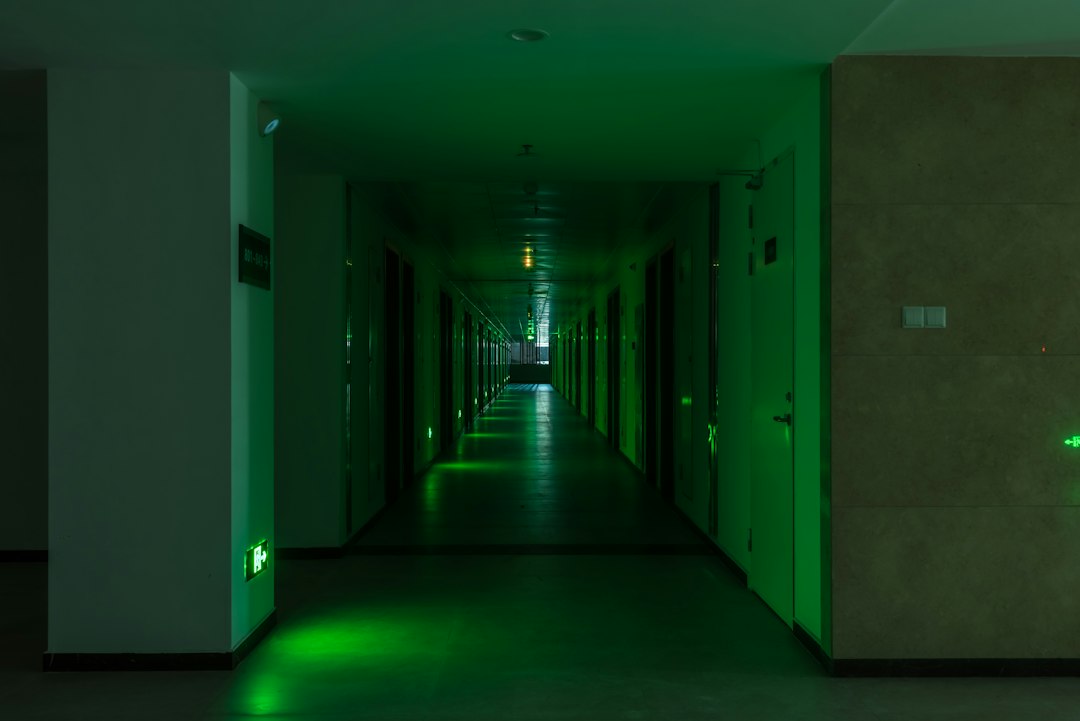
- Emergency lighting and fire safety signs
- Fire-fighting equipment, such as extinguishers and fire blankets
- The evacuation strategy, for example “stay put” or simultaneous evacuation
- Management, including maintenance, testing records and information for residents
Do landlords need a fire risk assessment?
It depends on the type of property. The Regulatory Reform (Fire Safety) Order 2005 requires a fire risk assessment for non-domestic premises, which include the common parts of buildings containing more than one home, such as shared hallways, stairs and landings. It does not apply inside a single private dwelling.
| Property type | Fire risk assessment required? | Who is responsible? |
|---|---|---|
| Single house let to one household | Not normally required by law | Landlord (good practice only) |
| Flat in a block or converted house | Yes, for the common parts | Usually the freeholder or managing agent |
| HMO (shared house) | Yes | The landlord or HMO manager |
| Block of flats you own outright | Yes, for the common parts | The landlord as responsible person |
| Holiday let or serviced accommodation | Yes | The owner or operator |
| Commercial premises | Yes | The employer, owner or occupier |
Even where a formal FRA is not required, every landlord must still meet basic fire safety duties, such as smoke and carbon monoxide alarms. Our guide Do I need a fire safety certificate? explains these in detail.
The fire safety laws behind the requirement
- Regulatory Reform (Fire Safety) Order 2005: the main law requiring a responsible person to assess fire risk and put precautions in place.
- Fire Safety Act 2021: confirmed that a building’s structure, external walls and flat entrance doors must be included in the fire risk assessment of multi-occupied residential buildings.
- Fire Safety (England) Regulations 2022: added duties such as fire safety information for residents and regular fire door checks in buildings over 11 metres.
- Building Safety Act 2022, section 156: since 1 October 2023, the full fire risk assessment must be recorded in writing, together with the name of anyone who carried it out, and responsible persons must share fire safety information with each other.
- Housing Act 2004: councils use the Housing Health and Safety Rating System to tackle fire hazards in rented homes, particularly HMOs.
Need a fire risk assessment in London?
Domestic fire risk assessments from £79 for studios and £134.99 for communal areas, carried out by qualified fire risk assessors.
The five steps of a fire risk assessment
Government guidance sets out five steps that every fire risk assessment should follow:
- Identify fire hazards: sources of ignition, fuel and oxygen, such as electrical faults, cooking, heaters, rubbish and stored items.
- Identify people at risk: tenants, visitors and anyone especially vulnerable, such as children, older people or people with disabilities.
- Evaluate, remove, reduce and protect from risk: remove or reduce hazards, and make sure there are suitable alarms, escape routes, fire doors, emergency lighting and equipment.
- Record, plan, inform, instruct and train: record the findings and actions, prepare an emergency plan and give residents clear fire safety information.
- Review: review the assessment regularly and whenever something significant changes.
Types of fire risk assessment for blocks of flats
For purpose-built blocks, the industry uses four types of fire risk assessment, set out in national guidance for blocks of flats:
| Type | What it covers | When it is used |
|---|---|---|
| Type 1 | Common parts only, non-destructive | The standard assessment for most blocks |
| Type 2 | Common parts, destructive (opening up some construction) | Where there are concerns about hidden construction or compartmentation |
| Type 3 | Common parts and inside some flats, non-destructive | Where flat layouts or flat entrance doors affect the escape strategy |
| Type 4 | Common parts and flats, destructive | Specialist cases, usually after serious concerns are identified |
Most landlords and freeholders of smaller blocks and converted houses need a Type 1 assessment. Your assessor will recommend a different type if needed.
Fire risk assessments for HMOs
HMOs carry a higher fire risk than single lets, because several households share one escape route and often cook in shared kitchens. An HMO fire risk assessment typically looks closely at:
- A suitable fire alarm system, often interlinked, with detectors in bedrooms, escape routes and kitchens
- Fire doors with self-closers on bedrooms and kitchens
- A protected escape route, kept clear of storage and furniture
- Emergency lighting where the escape route is long or complex. See our emergency lighting testing guide
- Fire blankets in kitchens and suitable fire-fighting equipment
- Clear fire safety information for every tenant
Many London councils require a current fire risk assessment as part of an HMO licence application. Our landlord certificates checklist covers the other documents you will need.
How often should a fire risk assessment be done?
The law does not set a fixed renewal date. It says the assessment must be reviewed regularly so it stays up to date. In practice:
- Most landlords and managing agents review the FRA every year
- Higher-risk buildings, such as larger HMOs, may need more frequent reviews
- A new assessment is usually needed every few years, or sooner if the building changes significantly
You should also review the assessment straight away after:
- Building work, such as a loft conversion, new partitions or a new kitchen
- A change of use, such as converting a family let into an HMO
- A fire or near miss
- A change in the people living there, such as a tenant with mobility needs
Who can carry out a fire risk assessment?
The law says the assessment must be carried out by a competent person: someone with enough training, experience and knowledge to assess the risks properly. For a very small, simple building, a well-informed responsible person may be able to do it themselves using government guidance.
For HMOs, blocks of flats and anything with a more complex layout, a qualified fire risk assessor is strongly recommended. Since October 2023, the name of anyone who helps carry out the assessment must be recorded, so it is important to choose an assessor you trust.
What happens after the assessment?
- Read the action plan. Actions are usually prioritised, for example high, medium and low.
- Fix high-priority items first, such as missing alarms, damaged fire doors or blocked escape routes.
- Keep records of all work completed, with dates.
- Share fire safety information with tenants, including what to do in a fire.
- Set up regular checks, such as alarm tests, emergency lighting tests and fire door checks.
- Book your next review before the anniversary of the assessment.
Penalties for not having a fire risk assessment
Fire and rescue services enforce the Fire Safety Order. If they find serious failings, they can issue enforcement notices requiring work to be done, or prohibition notices restricting use of the building. Responsible persons who fail to comply can face unlimited fines and, in the most serious cases, up to two years in prison.
For HMOs, councils can also take action under the Housing Act, and a missing fire risk assessment can put your licence at risk.
How much does a landlord fire risk assessment cost?
The price depends on the size and type of property. Landlord Sure’s fixed London prices for domestic fire risk assessments are:
| Property | Price |
|---|---|
| Communal areas (shared hallways and stairwells) | £134.99 |
| Studio | £79 |
| 1 to 3 bedrooms | £144.99 |
| 4 bedrooms | £184.99 |
| 5 bedrooms | £184.99 |
| 6 bedrooms | £194.99 |
| 7 bedrooms | £204.99 |
| 8 bedrooms | £215.99 |
For shops, offices and other business premises, see our commercial fire risk assessment service. You can add a fire door inspection or emergency lighting certificate to the same visit.
Frequently asked questions
Do landlords need a fire risk assessment?
Yes for HMOs, the common parts of blocks of flats and converted houses, and holiday lets. A single house or flat let to one household does not normally need a formal fire risk assessment.
Do I need a fire risk assessment for a single rented flat?
Not for the inside of the flat itself. The shared areas of the building need one, which is usually the freeholder’s or managing agent’s responsibility.
How often should a fire risk assessment be done in the UK?
There is no fixed legal interval. Most landlords review it every year and after any significant change, with a new assessment every few years.
What is the second step of a fire risk assessment?
The second step is to identify the people at risk, including anyone especially vulnerable.
Can a landlord do their own fire risk assessment?
For very simple premises, a competent landlord may be able to. For HMOs and blocks, a qualified fire risk assessor is strongly recommended.
Is a fire risk assessment the same as a fire safety certificate?
No. A fire risk assessment identifies risks and the precautions needed. A fire safety certificate confirms that equipment such as alarms and fire doors is working.
Do holiday lets need a fire risk assessment?
Yes. Holiday lets and short-term lets are treated as non-domestic premises under the Fire Safety Order, so a fire risk assessment is required.
How much does a landlord fire risk assessment cost?
Landlord Sure’s domestic fire risk assessments start from £79 for studios and £134.99 for communal areas in London.
Book your fire risk assessment with Landlord Sure
Fixed prices from £79, qualified fire risk assessors and clear written reports for HMOs, blocks and rental homes across London. Add a fire safety certificate or fire door inspection to the same visit.
Sources: GOV.UK – Fire risk assessments; GOV.UK – Section 156 of the Building Safety Act 2022; London Fire Brigade – Private rented sector landlords. Information checked October 2026. This guide is general information, not legal advice.